Source Reusable Silicone Tongue Cleaner for Oral Care
Source 30 reusable silicone tongue cleaner options for daily oral hygiene. Compare features like double-sided scraping, custom logos, and eco-friendly materials from verified manufacturers to find the best fit for your business needs; compare the available evidence and request quotations based on your requirements.
Key considerations
Products List
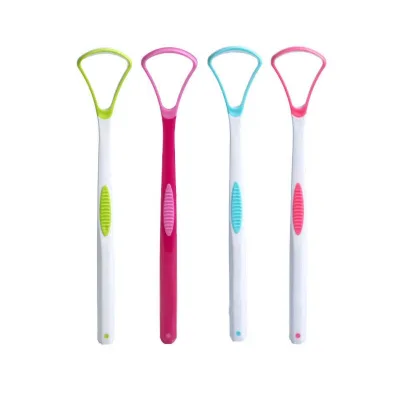
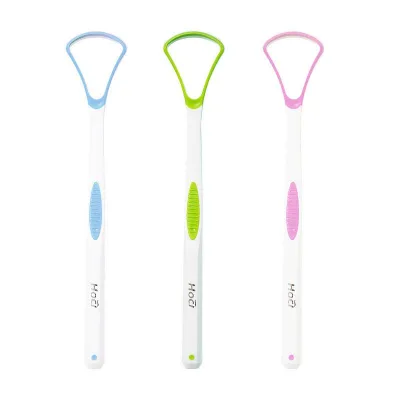
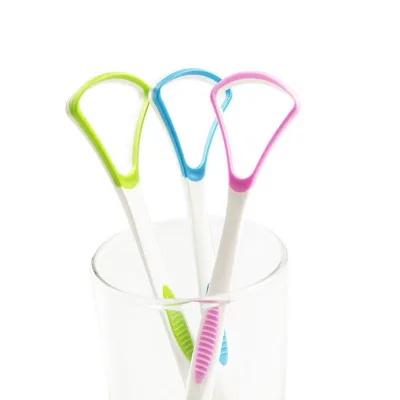
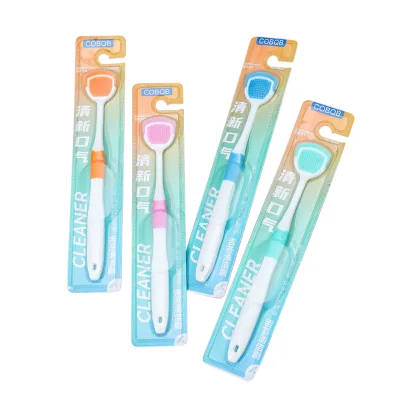






Comprehensive Sourcing Guide
Reusable Silicone Tongue Cleaner Sourcing Guide
Sourcing reusable silicone tongue cleaners requires a careful balance between material safety, ergonomic design, and commercial scalability. These oral care tools are primarily intended for daily home use, focusing on effective tongue cleaning to support overall oral hygiene. Buyers must distinguish between simple plastic scrapers and dual-material designs that combine rigid plastic handles with soft silicone edges. The observed market signals indicate a strong preference for products that are both durable and gentle on sensitive tongue tissues. Understanding these distinctions is critical for selecting suppliers who can deliver consistent quality across large production runs.
The procurement landscape for these items is characterized by significant variability in minimum order quantities and packaging options. Listings show MOQs ranging from single units for sampling to tens of thousands for bulk manufacturing, reflecting the flexibility of modern supply chains. Packaging varies from standard boxes and blister cards to custom-branded solutions, allowing brands to tailor their unboxing experience. Buyers should prioritize suppliers who offer OEM services and custom logo printing, as this enhances brand visibility. However, the diversity in product specifications, such as size and color options, necessitates rigorous verification to ensure the final product meets specific market expectations.
Product Scope and Observed Listing Signals
The current market for reusable tongue cleaners features a wide array of product configurations, primarily centered around oral health and daily home use. Observed listings highlight products made from a combination of plastic and silicone, with some variants being entirely silicone-based. Key attributes include features like being eco-friendly, portable, and double-sided for comprehensive cleaning. The product names often explicitly mention "tongue scraper" or "tongue cleaner brush," indicating a functional focus on removing debris and bacteria. Buyers should note that while many products are marketed as reusable, the material composition directly impacts longevity and hygiene maintenance, making material verification a top priority during the sourcing process.
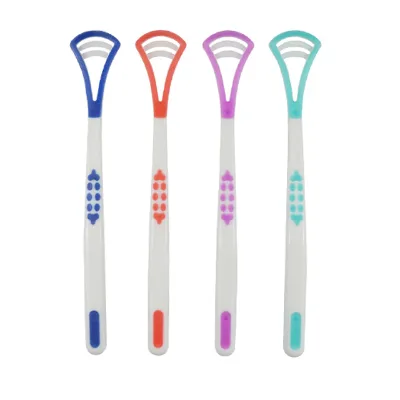
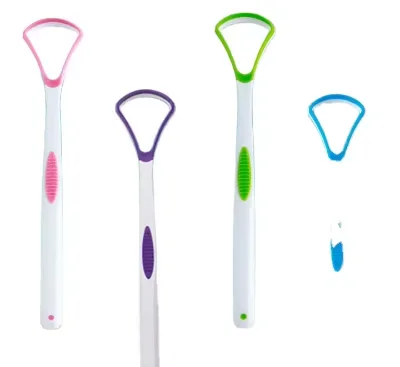
Color and customization options are significant differentiators in this category, with suppliers offering stock colors like white, green, blue, orange, and purple, as well as fully customized colorways. The availability of private labeling and silk screen printing services allows brands to create unique product identities. However, buyers must be cautious of vague descriptions such as "random color" or "as picture show," which can lead to inventory mismatches. The presence of sample availability, often with quick turnaround times, provides an opportunity to physically assess the product’s texture and effectiveness. This hands-on evaluation is essential before committing to large orders, ensuring that the tactile experience aligns with consumer expectations for comfort and ease of use.
Technical Specifications to Verify
Dimensional accuracy is a critical technical specification that directly influences user comfort and cleaning efficacy. Observed sizes for adult tongue cleaners range from approximately 17.5 cm to 18 cm in length, with widths around 3 cm. Buyers must verify these dimensions against their target demographic’s needs, as overly large or small tools can hinder effective use. The single package size also varies, with some listings indicating dimensions around 20x15x12 cm or 25x15x12 cm, which impacts shipping costs and storage efficiency. Confirming the exact model numbers, such as W384.003, helps in tracking specific product iterations and ensures consistency across reorder cycles. Precision in these measurements is vital for maintaining brand reputation and customer satisfaction.
Weight and material density are other key technical factors that affect the perceived quality of the product. The single gross weight for these items is typically around 0.25 kg, which suggests a substantial feel in the hand, contributing to a perception of durability. Buyers should verify the specific grade of silicone used, ensuring it is food-grade and free from harmful additives like BPA. The dual-material construction, combining plastic and silicone, requires careful inspection of the bonding process to prevent separation during use. Additionally, the presence of a brush component on some models adds complexity to the cleaning process, requiring verification of bristle durability and attachment security. These technical details must be clearly defined in the product specification sheet to avoid manufacturing discrepancies.
Compliance and Safety Documentation
Safety compliance is paramount when sourcing oral care products, as they come into direct contact with mucous membranes. Buyers must ensure that all silicone and plastic materials used in the tongue cleaners comply with relevant food-contact and medical device regulations, depending on the market. While specific certification statuses are not universally listed, suppliers should be able to provide material safety data sheets and test reports confirming the absence of toxic substances. The claim of being "eco-friendly" and "non-disposable" suggests a focus on sustainability, but buyers should verify the actual recyclability or biodegradability of the materials used. This verification process helps mitigate legal risks and ensures that the product meets the stringent safety standards expected by health-conscious consumers.
Documentation regarding the manufacturing process and quality control procedures is equally important for establishing trust with downstream buyers. Suppliers should provide clear information on their quality assurance protocols, including how they handle defects and ensure batch consistency. The availability of samples, often provided free of charge with a 3-5 day turnaround, serves as an initial step in verifying compliance. Buyers should request detailed product descriptions that explicitly state the origin of materials and the manufacturing location, such as Hubei, China, to trace the supply chain. Transparent documentation not only facilitates smoother customs clearance but also enhances the brand’s credibility in markets with strict regulatory environments.
Cost Drivers and Commercial Terms
The cost structure for reusable silicone tongue cleaners is influenced by several key factors, including material quality, customization complexity, and order volume. The observed price range of $0.05 to $3.90 USD reflects the vast differences between basic plastic scrapers and premium dual-material, custom-branded units. Buyers should anticipate higher per-unit costs for products featuring custom logos, specific color matching, or specialized packaging like blister cards. The minimum order quantity, often set at 100 pieces for customization, acts as a significant cost driver, as smaller orders may incur higher setup fees for printing and molding. Understanding these variables allows buyers to accurately forecast their landed costs and determine the optimal order size for their business model.
Commercial terms such as payment methods, shipping arrangements, and sample policies also play a crucial role in the total cost of ownership. Many suppliers offer OEM services and welcome customization, which can extend lead times and affect cash flow planning. The availability of free samples is a common practice, but buyers should clarify whether shipping costs for these samples are covered. Additionally, the packaging options, ranging from individual packages to custom boxes, directly impact shipping volume and weight, thereby influencing freight costs. Buyers should negotiate clear terms regarding defect rates and replacement policies to protect against potential losses. A comprehensive understanding of these commercial dynamics is essential for negotiating favorable contracts and maintaining healthy profit margins.
Supplier Qualification and Quality Control
Evaluating supplier qualifications is a critical step in mitigating procurement risks for reusable silicone tongue cleaners. Buyers should prioritize suppliers who demonstrate a strong track record in oral care manufacturing and offer transparent communication regarding their production capabilities. The presence of OEM services and custom logo acceptance indicates a supplier’s flexibility and willingness to collaborate on brand-specific requirements. However, buyers must verify the supplier’s capacity to maintain consistent quality across large production runs. This includes assessing their quality control processes, such as incoming material inspections and final product checks, to ensure that every unit meets the specified standards for durability and safety.
Quality control measures should be explicitly defined in the purchase agreement to prevent disputes over product defects. Buyers should request detailed inspection reports and, if necessary, conduct third-party inspections before shipment. The variability in product attributes, such as color and size, necessitates strict adherence to approved samples. Suppliers who provide clear model numbers and detailed specifications are easier to audit and manage. Additionally, buyers should assess the supplier’s responsiveness to feedback and their ability to resolve issues promptly. Establishing a robust quality control framework from the outset ensures that the final product aligns with brand expectations and minimizes the risk of customer complaints or returns.
Long-Term Procurement Checks
Sustaining a successful procurement relationship for reusable silicone tongue cleaners requires ongoing monitoring and periodic re-evaluation of supplier performance. Buyers should regularly review supplier metrics, including on-time delivery rates, defect percentages, and responsiveness to inquiries. The dynamic nature of the oral care market means that consumer preferences may shift, necessitating periodic updates to product designs or materials. Suppliers who can adapt to these changes and offer innovative solutions, such as new ergonomic designs or eco-friendly materials, are valuable long-term partners. Buyers should maintain open lines of communication to discuss future product developments and potential cost adjustments, ensuring that the supply chain remains agile and competitive.
Continuous improvement in quality and compliance is essential for maintaining market relevance and customer trust. Buyers should stay informed about evolving regulatory requirements and industry standards, ensuring that their suppliers remain compliant. Regular audits and feedback loops can help identify areas for improvement in the manufacturing process. Additionally, buyers should monitor market trends and competitor offerings to ensure their product portfolio remains attractive. By fostering a collaborative relationship with suppliers, buyers can drive innovation and efficiency, ultimately delivering high-quality oral care products to their customers. This proactive approach to procurement management ensures long-term success and sustainability in a competitive marketplace.
FAQs
What materials are used for the tongue cleaner?
The tongue cleaner is constructed from plastic and silicone materials to ensure durability and safety during daily oral care routines. This combination allows for effective cleaning while remaining gentle on the tongue surface for repeated home use without causing irritation.
Can I get a custom logo on the product?
Yes, custom logo services are available for this tongue cleaner using silk screen printing techniques. Buyers can request private logo supply options to brand the product, making it suitable for promotional campaigns or specific retail requirements with flexible packaging choices.
What is the minimum order quantity for this item?
The minimum order quantity is set at 100 pieces for this reusable tongue cleaner. This threshold applies to standard orders, though some listings may show variations, so buyers should confirm specific MOQ requirements with the supplier before finalizing their purchase agreement.
How is the product packaged for shipment?
The product comes in standard boxes or custom boxes depending on buyer preference. Some variations include blister cards or individual packages, ensuring the tongue cleaner is protected during transit while offering flexibility for different retail presentation needs and branding strategies.
Is the tongue cleaner reusable for daily use?
Yes, this tongue cleaner is designed to be reusable for daily oral hygiene tasks. It features a double-sided scraper design that effectively cleans the tongue, making it a sustainable alternative to disposable options for maintaining good oral health at home.
What colors are available for stock orders?
Stock orders typically offer six colors including white, green, blue, orange, and purple. Buyers can also request customized colors to match specific brand identities, ensuring the product meets diverse aesthetic requirements for different markets and customer preferences.
Where is the product manufactured?
The product originates from China, with specific manufacturing locations noted in Hubei. This origin information helps buyers understand the supply chain logistics and potential lead times associated with sourcing this reusable silicone tongue cleaner from established production facilities.